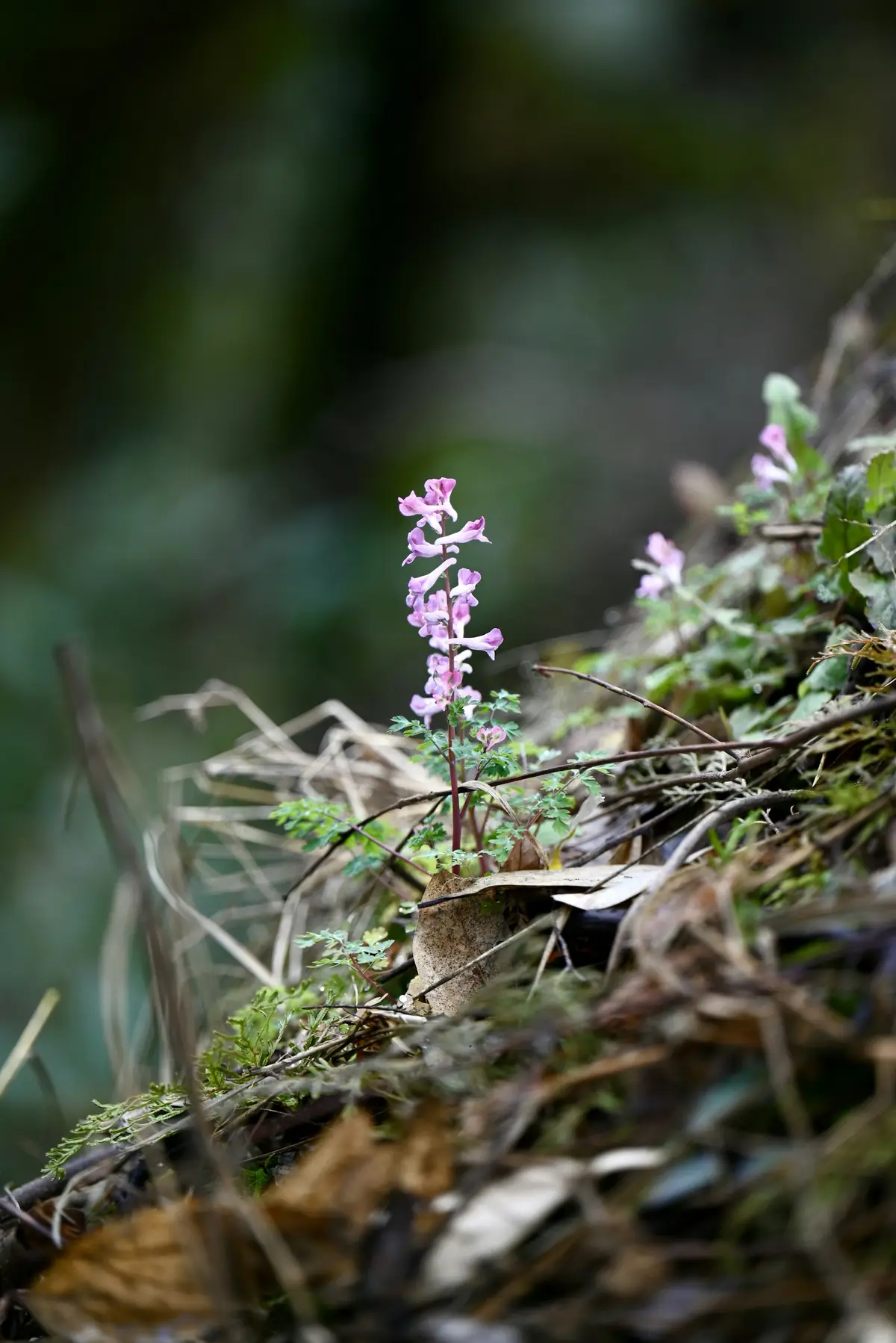
What is corydalis? Corydalis (Corydalis yanhusuo) is a botanical from the Papaveraceae family, native to Eastern China. The part used is the tuber, and the compounds researchers focus on are isoquinoline alkaloids, especially tetrahydropalmatine. Today it is sold as dried tuber slices, extracts, capsules, and blends in tablets.
What is corydalis?
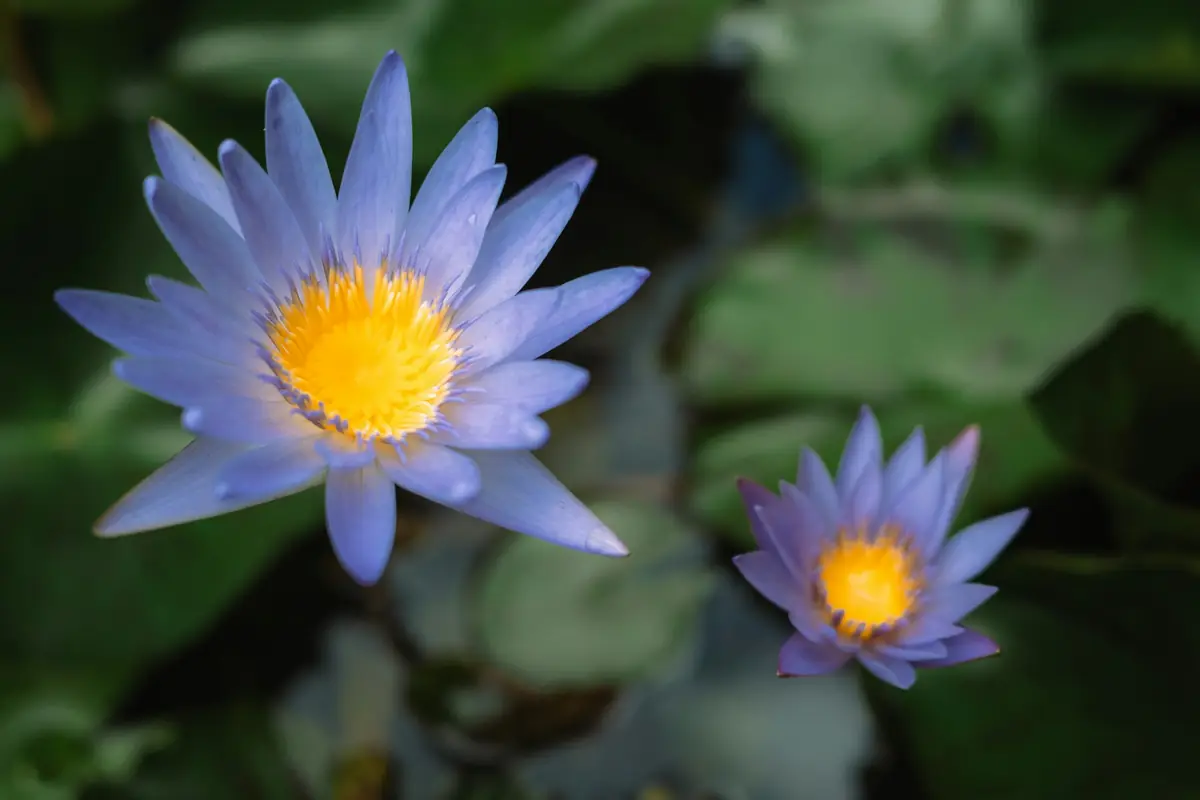
Corydalis is a small perennial with clusters of purple, tube-shaped flowers that appear in early spring. The part that’s used is the tuber, a small round root, dug up and dried. It belongs to the poppy family.
A short history of corydalis
In traditional Chinese practice the tuber is called yan hu suo, and it has been recorded in classical herbal texts for many centuries. It is grown commercially in Zhejiang province.
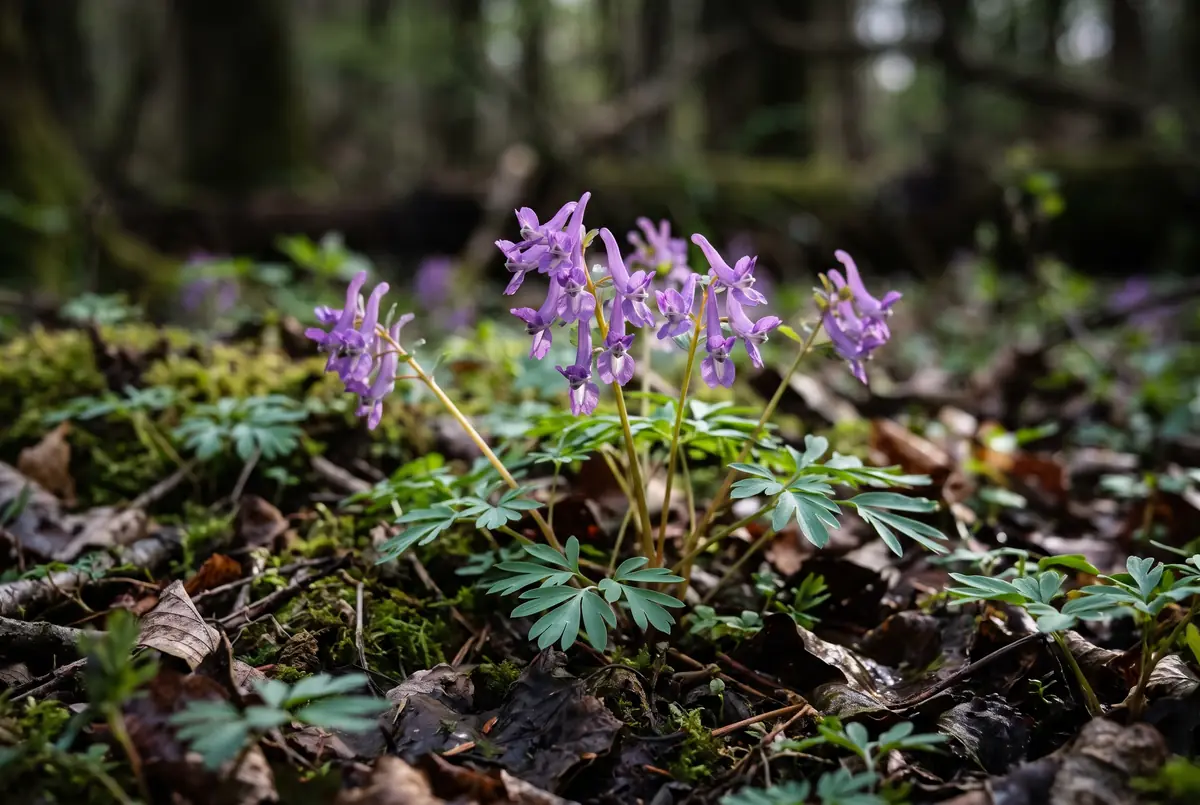
What’s in corydalis?
Corydalis is rich in isoquinoline alkaloids. The best known is tetrahydropalmatine (THP); another, dehydrocorybulbine (DHCB), has drawn research interest in the last decade.
How corydalis is sold today
As dried tuber slices, powdered extracts and capsules, and as one of several extracts in some botanical tablets.
Is corydalis legal?
Corydalis is not a controlled substance in the United States and is sold as a dietary supplement.
Corydalis safety notes
- There are case reports of liver problems linked to products containing tetrahydropalmatine. Avoid long-term use and talk to a doctor if you have liver problems.
- Not for pregnancy or breastfeeding, and don’t drive after use.
- Talk to a doctor if you take sedatives or other prescription medicine.
Last reviewed by the Learn Botanicals editors. Educational content, not medical advice.