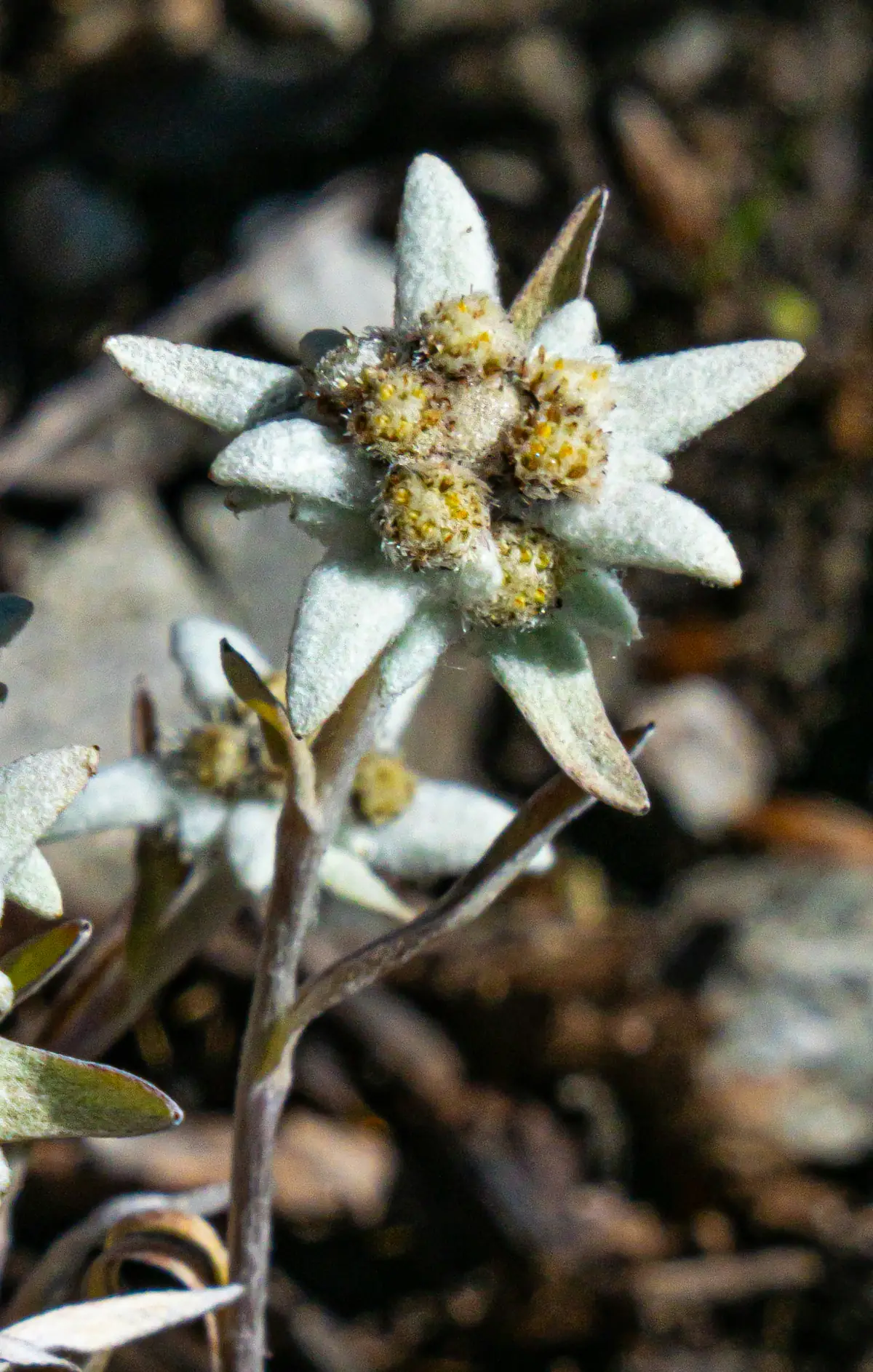
What is kanna? Kanna (Sceletium tortuosum) is a botanical from the Aizoaceae family, native to South Africa, especially the Karoo. The part used is the whole aerial plant, usually fermented and dried, and the compounds researchers focus on are mesembrine-type alkaloids. Today it is sold as fermented dried plant, extracts, capsules, gummies, and tablets.
What is kanna?
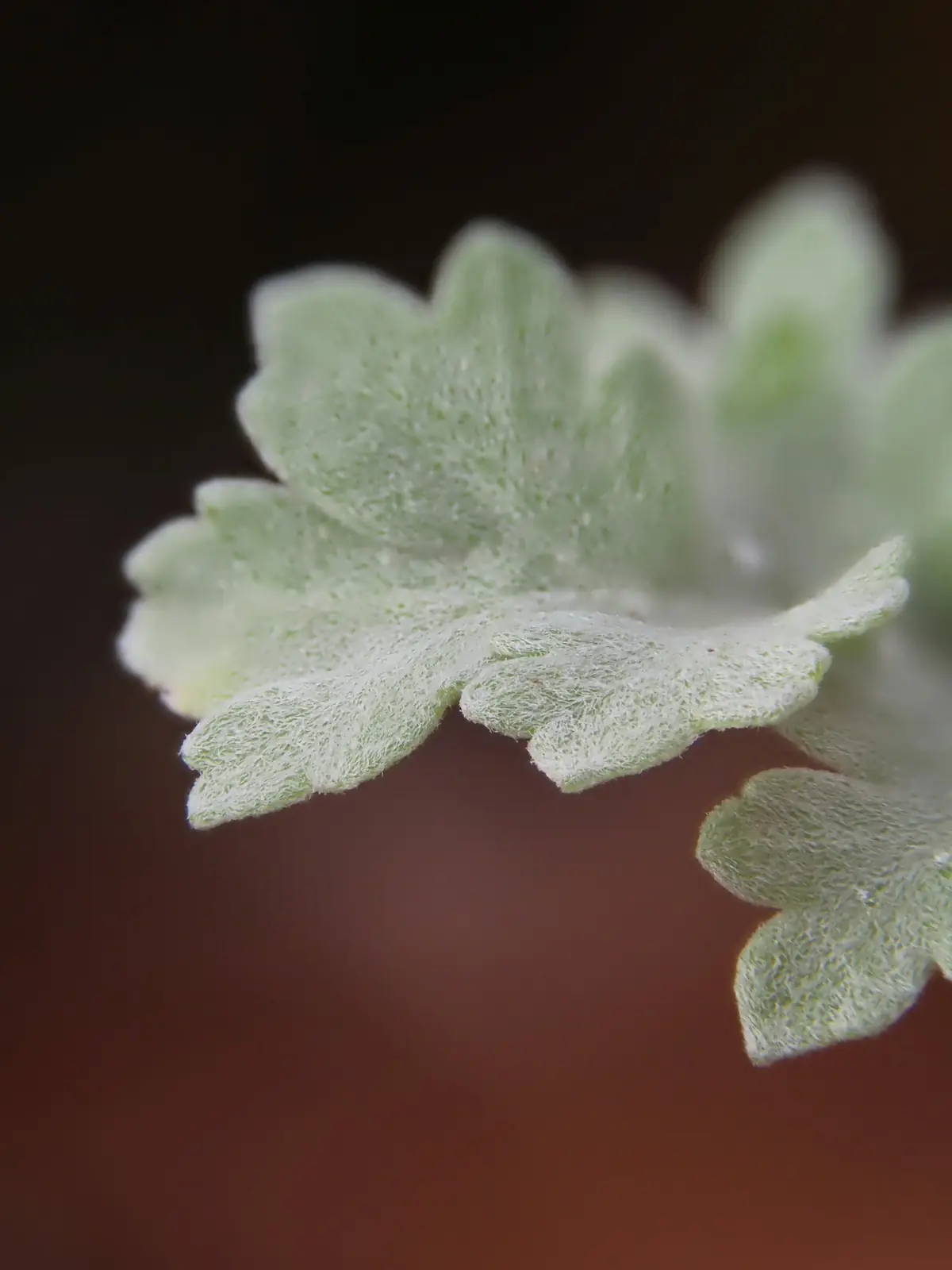
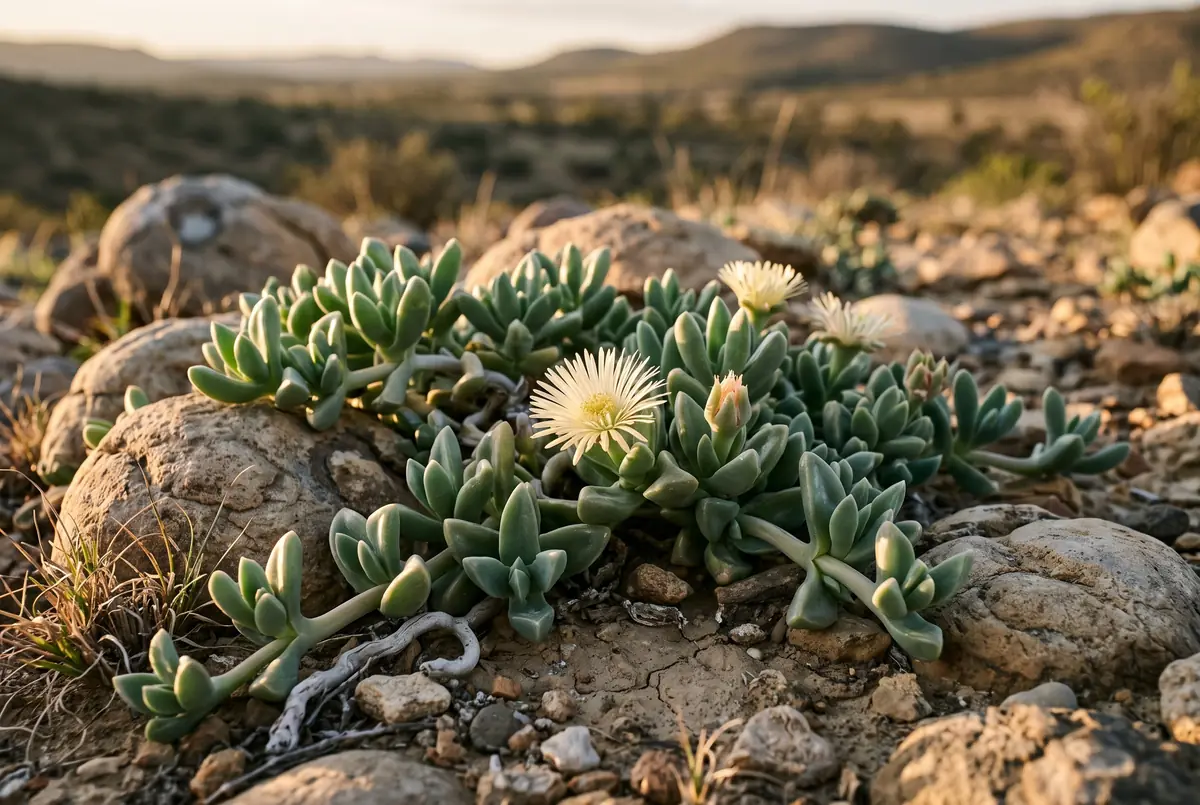
Kanna is a low, sprawling succulent from the dry Karoo region of South Africa. It has fleshy leaves and small pale yellow or white flowers. As the plant dries, the old leaves leave skeleton-like veins behind, which is where the name Sceletium comes from.
A short history of kanna
The San and Khoikhoi peoples have chewed kanna for centuries, often after fermenting the crushed plant. European travellers wrote about it in the 1600s. Today it’s grown commercially in South Africa, and some extracts are standardized and trademarked.
What’s in kanna?
Kanna contains alkaloids known as mesembrine-type alkaloids: mesembrine, mesembrenone and mesembrenol are the best studied. Fermenting the plant changes the balance between them, which is why traditional preparation mattered.
How kanna is sold today
As fermented dried plant, powdered extracts, capsules, gummies and tablets. Extracts are often given as a ratio, such as 10:1, or as a standardized alkaloid percentage.
Is kanna legal?
Kanna is not a controlled substance in the United States and is sold as a dietary supplement. Rules differ in some other countries.
Kanna safety notes
- Do not combine kanna with antidepressants (SSRIs, SNRIs or MAOIs) or other serotonergic drugs. Talk to a doctor first.
- Not for pregnancy or breastfeeding.
- Start with the serving on the label; extracts vary a lot in strength.
Last reviewed by the Learn Botanicals editors. Educational content, not medical advice.