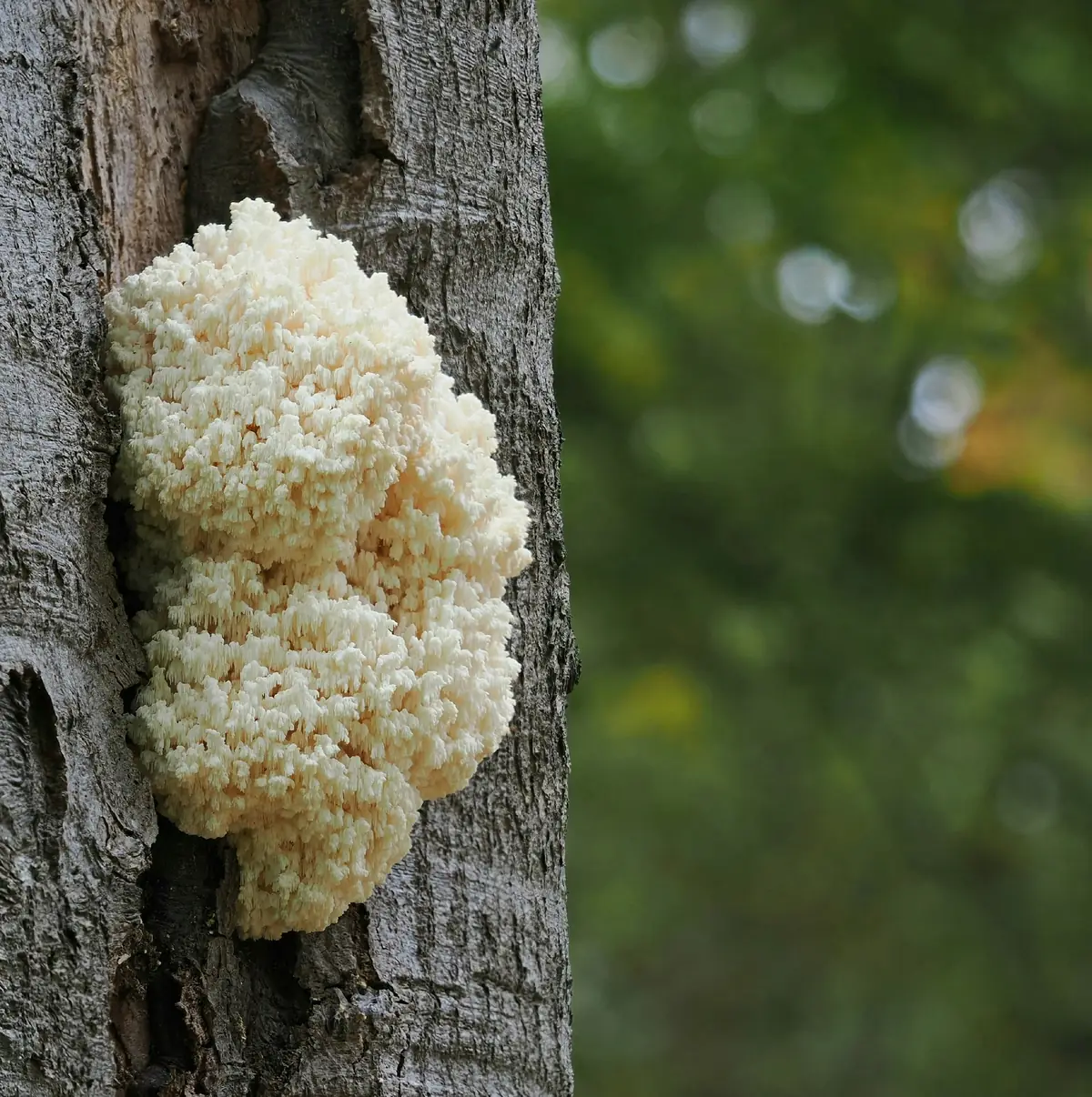
What are functional mushrooms? Functional mushrooms are edible and tea mushrooms such as lion’s mane, reishi, cordyceps and chaga, sold as powders, capsules, coffee blends and gummies. Interest centres on beta-glucans and species-specific compounds. The term is marketing, not science, and they are not psilocybin mushrooms.
What the term means
“Functional mushrooms” is a marketing term, not a scientific one. It usually means edible or tea mushrooms used for something other than cooking, sold as powders, capsules, gummies and drinks. They’re not the same as psilocybin mushrooms.
The main species
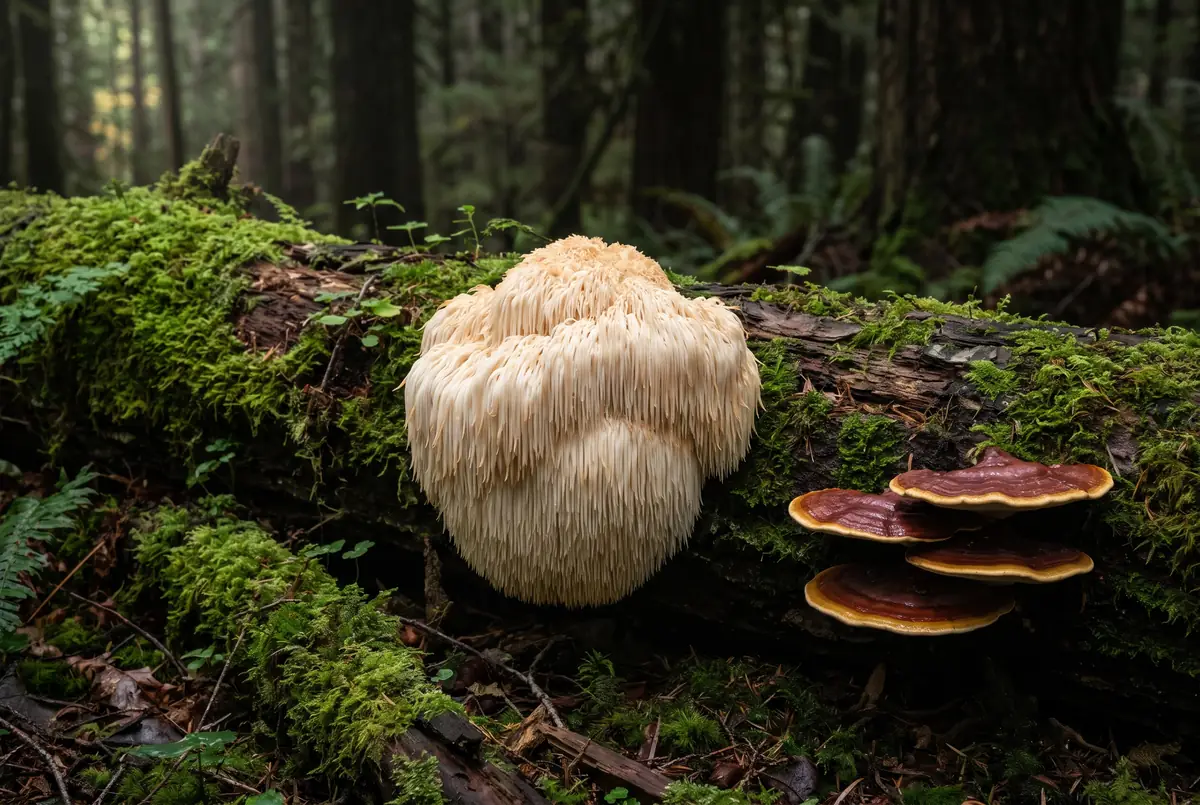
- Lion’s mane (Hericium erinaceus): white, shaggy, with cascading spines. Grows on hardwood logs.
- Reishi (Ganoderma lucidum): a glossy red-brown shelf mushroom with a long history in East Asian tradition.
- Cordyceps (Cordyceps militaris and others): slender orange fruiting bodies; most products are cultivated.
- Chaga (Inonotus obliquus): a black, charcoal-like growth on birch trees.
What’s in them
Most of the interest is in beta-glucans, a type of fibre found in mushroom cell walls, plus species-specific compounds: triterpenes in reishi, hericenones and erinacines in lion’s mane, and cordycepin in cordyceps.
How to read a mushroom label
- Fruiting body or mycelium? Products made from mycelium grown on grain can contain a lot of starch. Labels that say “fruiting body” or give a beta-glucan percentage are more informative.
- Which species, and how much of each? Blends should list every species and its amount.
- Is it the mushroom you think it is? “Mushroom gummies” and “mushroom chocolates” vary widely. Read the ingredient list for the exact species before you buy.
Functional mushrooms safety notes
- Mushroom allergies are possible.
- Reishi may not suit people on blood thinners or before surgery; talk to a doctor.
- Follow the label, and check that the product publishes a lab report.
Last reviewed by the Learn Botanicals editors. Educational content, not medical advice.