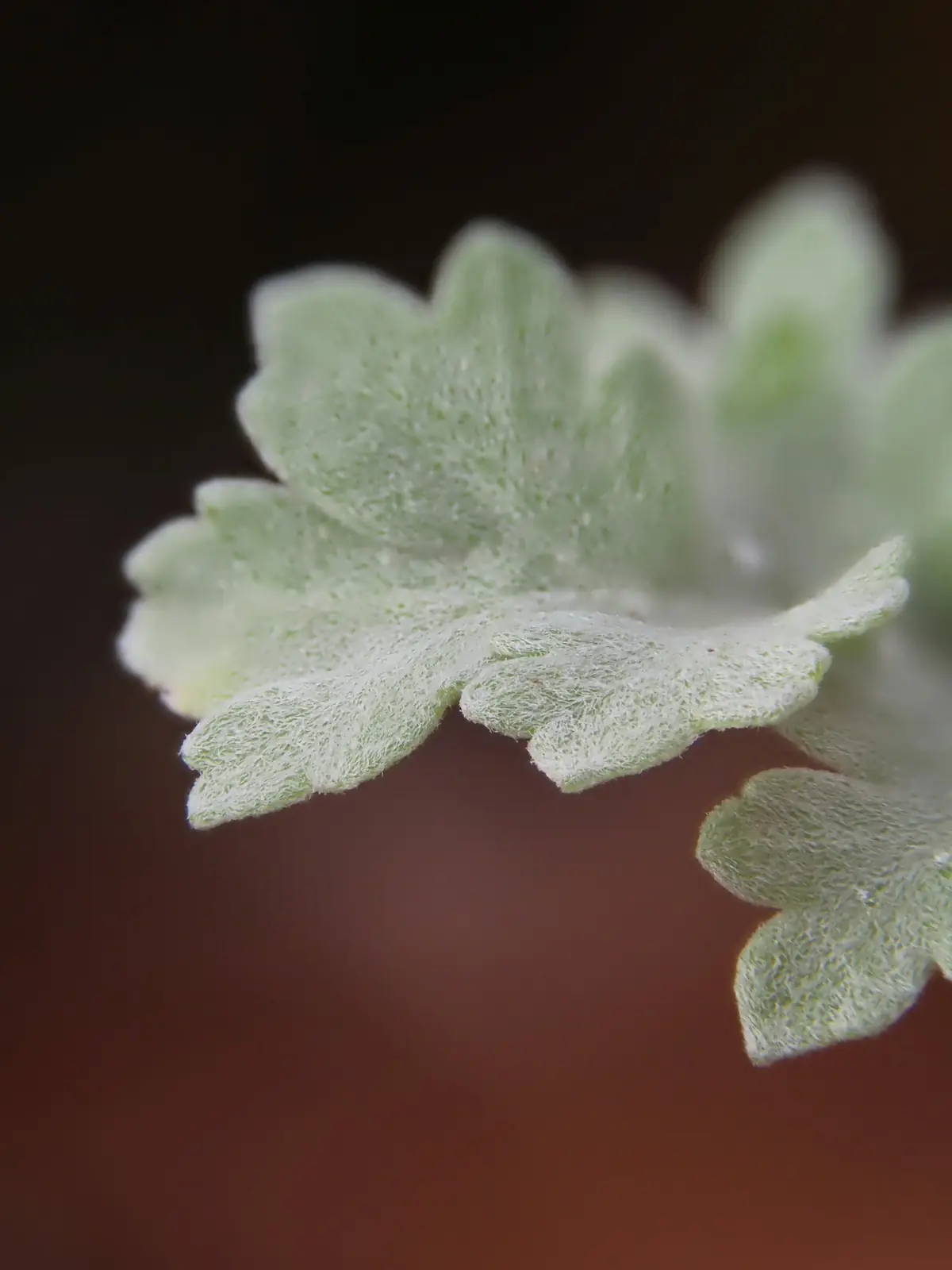
What is Mitragyna hirsuta? Mitragyna hirsuta (Mitragyna hirsuta) is a botanical from the Rubiaceae family, native to Thailand and mainland Southeast Asia. The part used is the leaf, and the compounds researchers focus on are oxindole alkaloids such as mitraphylline and rhynchophylline. Today it is sold as powder, extracts, and chewable tablets.
What is Mitragyna hirsuta?
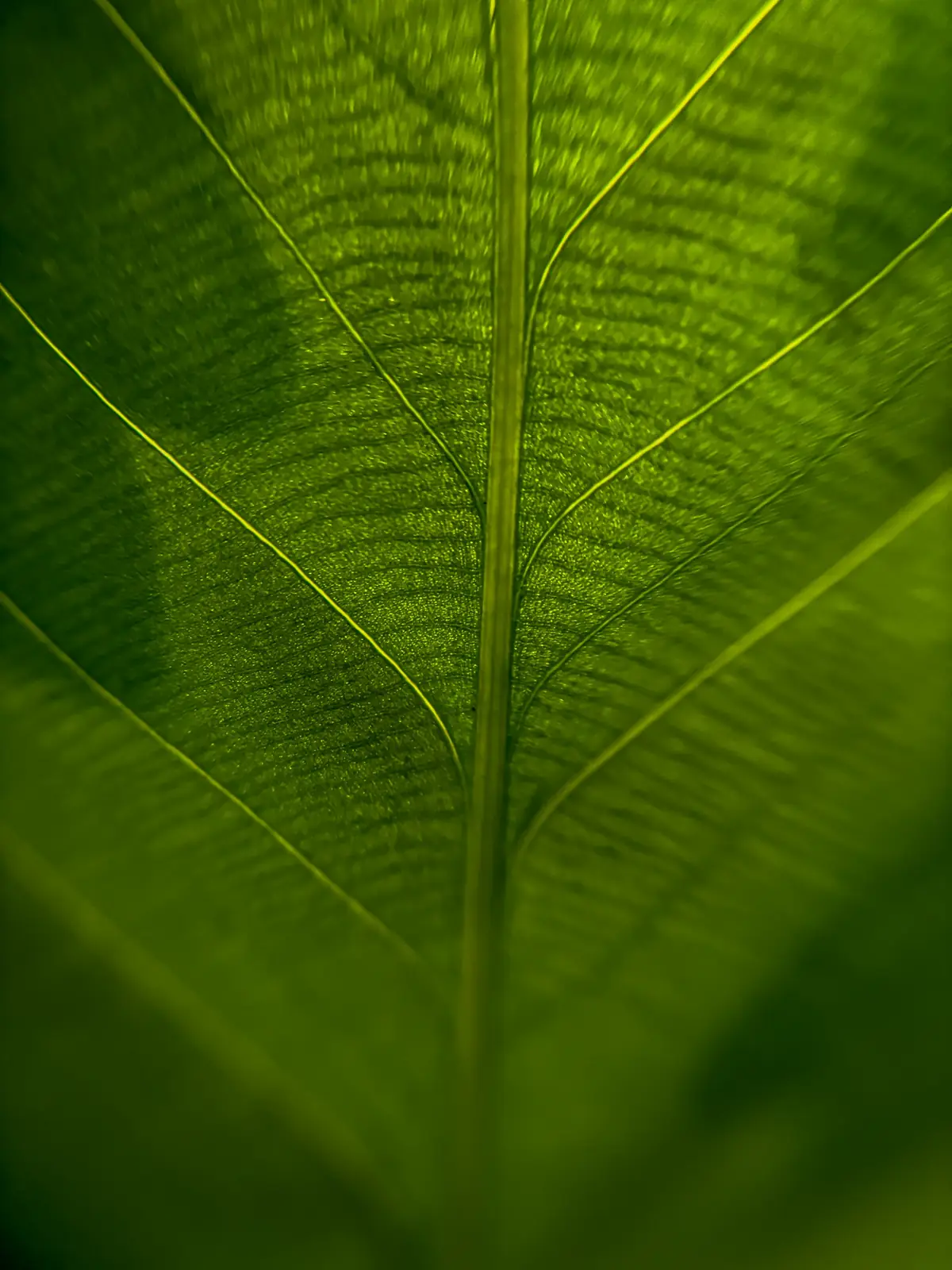
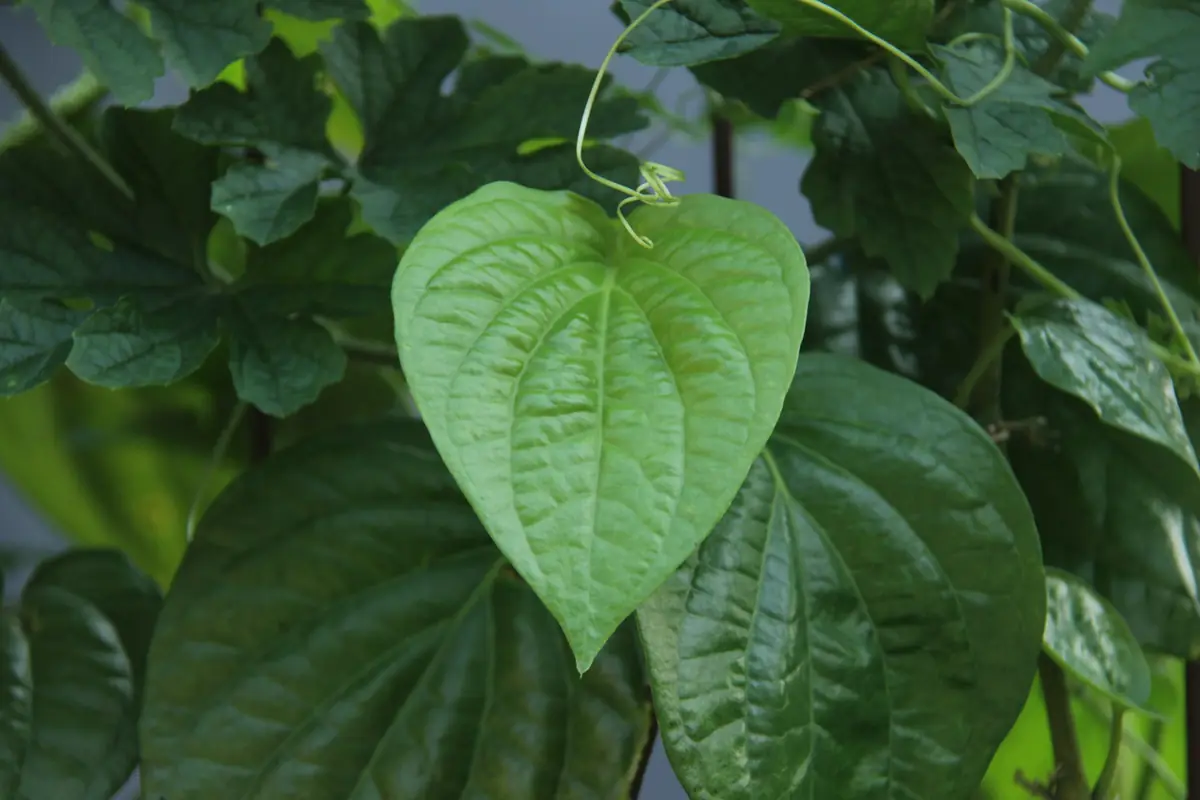
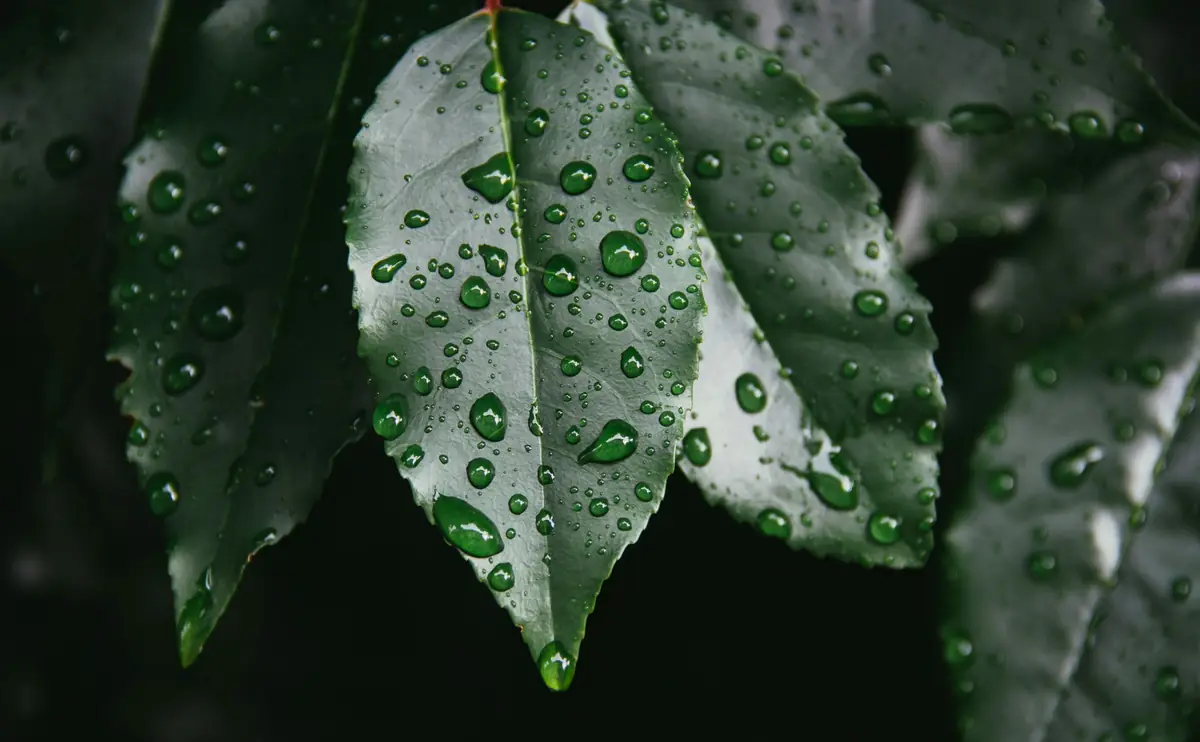
Mitragyna hirsuta is a tree native to Thailand and neighbouring countries, where it’s known locally as kra thum khok. It belongs to the same genus as kratom (Mitragyna speciosa), which is why the two are often mentioned together. The name hirsuta means hairy, after the fine hairs on its leaves and young stems.
A short history of Mitragyna hirsuta
In Thailand the leaves have long been used in folk practice, sometimes in place of kratom. Outside Southeast Asia it was almost unknown until the 2020s, when it began to appear in powders and tablets.
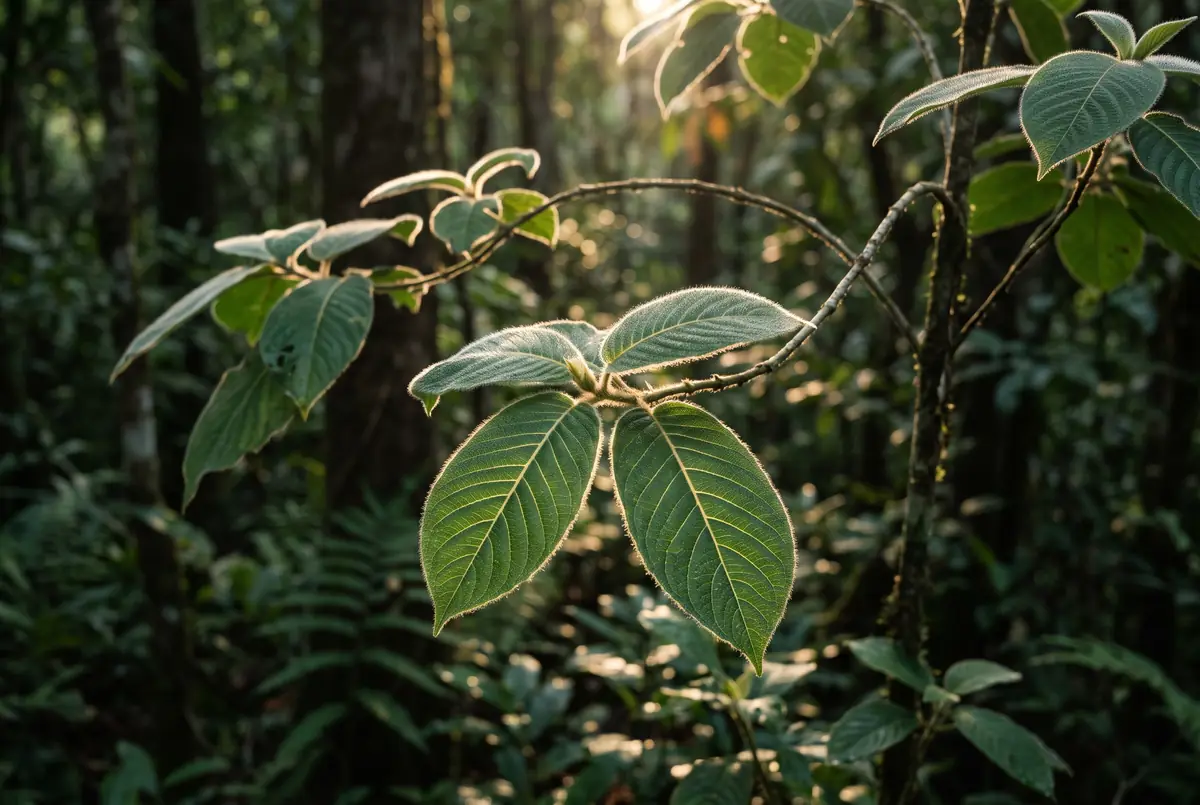
What’s in Mitragyna hirsuta?
Published lab analyses of M. hirsuta leaves have found mainly oxindole alkaloids, such as mitraphylline and rhynchophylline, and little or none of mitragynine, the main alkaloid in kratom. That is the key difference between the two plants. Research on hirsuta is still limited, so treat any strong claims about it with caution.
How Mitragyna hirsuta is sold today
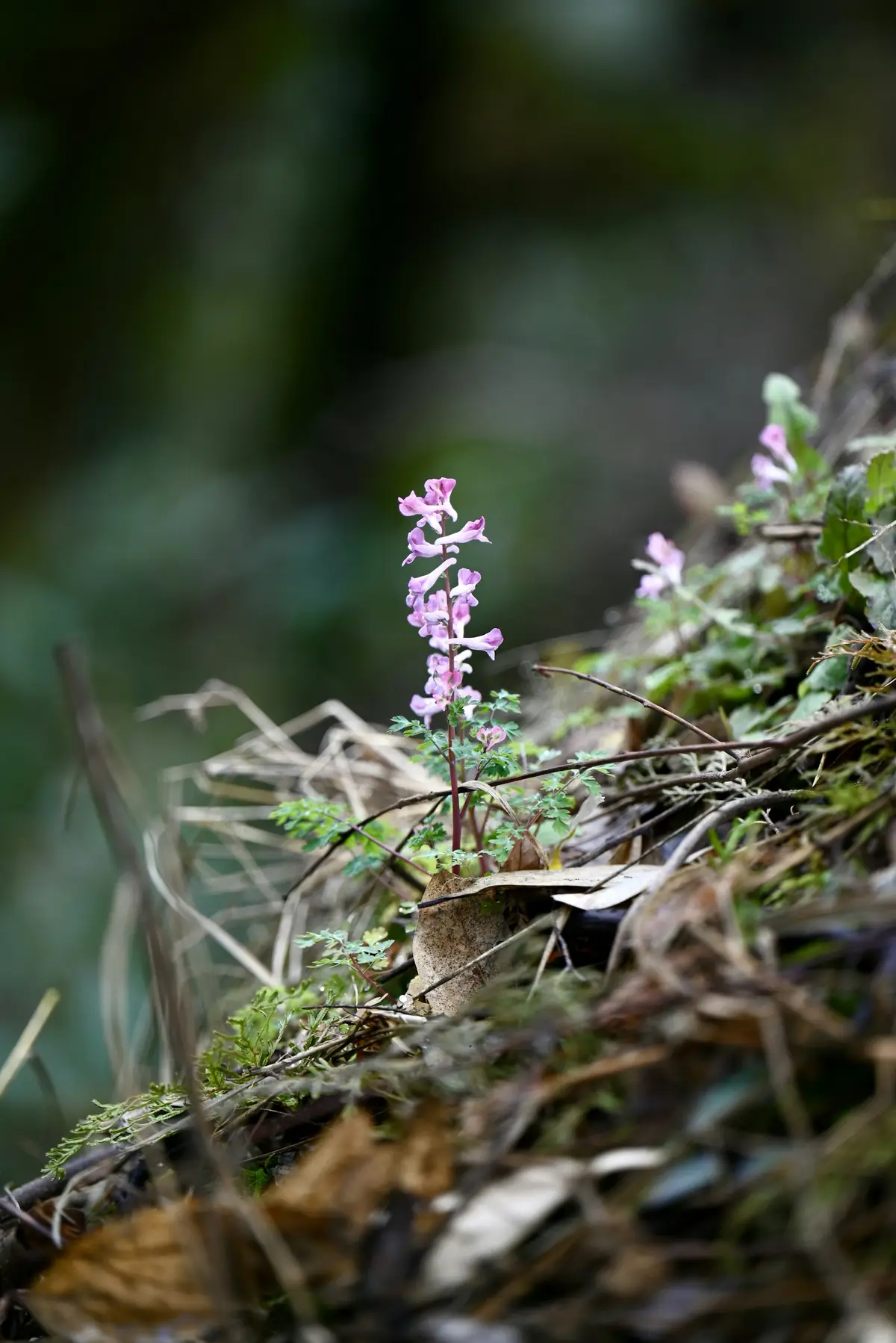
Mostly as leaf powder, concentrated extracts and chewable tablets. Some tablets combine hirsuta with other botanicals, such as Corydalis. Check the label for the total amount per tablet and which extracts are included.
Is Mitragyna hirsuta legal?
Mitragyna hirsuta is not a federally controlled substance in the United States. Rules around kratom and related plants are changing in several states, so check your state’s current law.
Mitragyna hirsuta safety notes
- There is little human research on hirsuta. Start with the serving on the label.
- Avoid it during pregnancy or breastfeeding, and talk to a doctor if you take prescription medicine.
- Buy products that publish a lab report for the batch.
Last reviewed by the Learn Botanicals editors. Educational content, not medical advice.